 Airbnb Clone
 Binance Clone
 Chatgpt Clone
 Fiverr Clone
 Gojek Clone
 Instacart Clone
 Zoom Clone
 Swiggy Clone
 TikTok Clone
 Wise Clone
Online grocery delivery has rapidly evolved from a convenience service into a daily necessity for many urban households. Busy lifestyles, same-day delivery expectations, and improved mobile technology have made grocery delivery apps one of the fastest-growing on-demand service segments. However, grocery delivery is far more complex than food delivery because it involves multiple items, inventory …

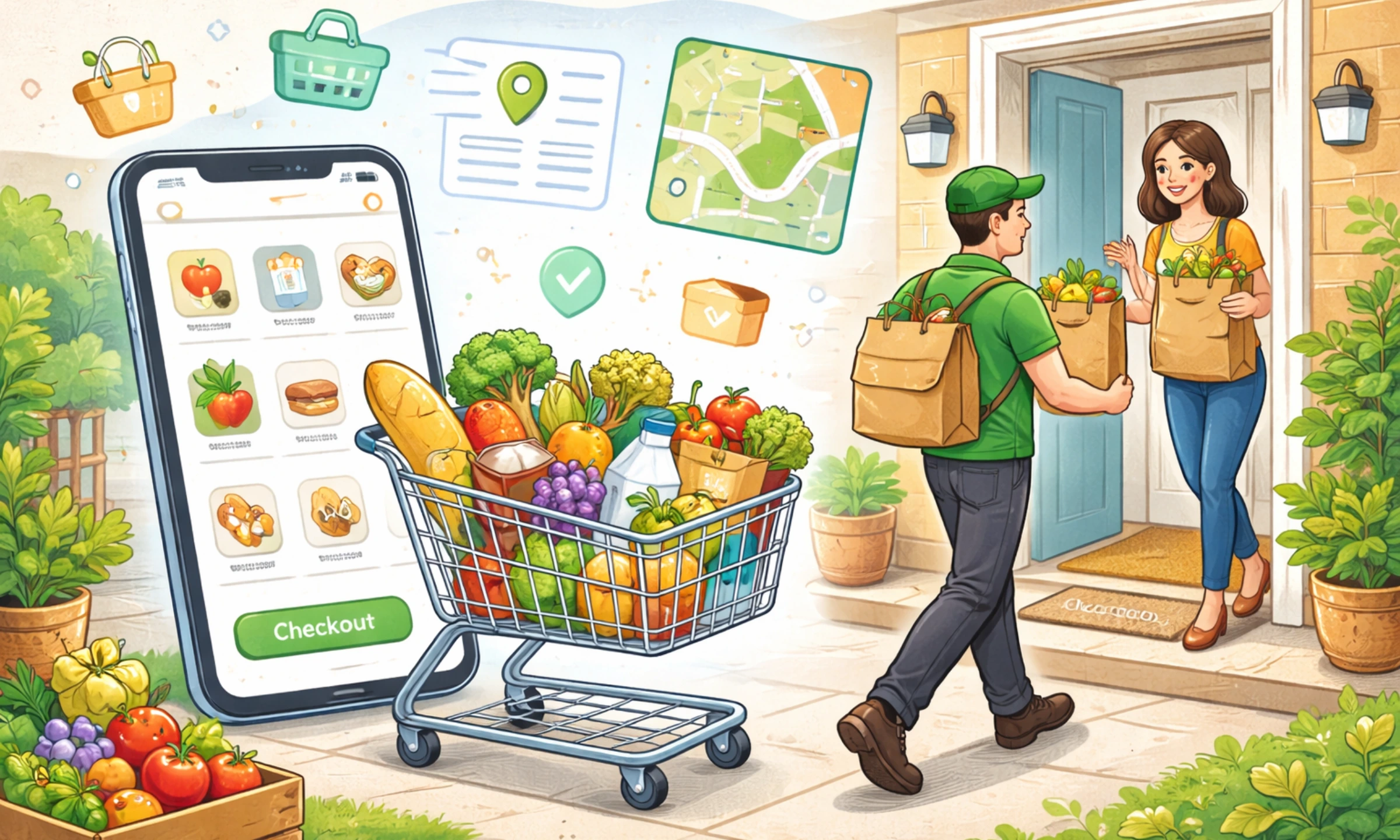
Online grocery delivery has rapidly evolved from a convenience service into a daily necessity for many urban households. Busy lifestyles, same-day delivery expectations, and improved mobile technology have made grocery delivery apps one of the fastest-growing on-demand service segments. However, grocery delivery is far more complex than food delivery because it involves multiple items, inventory variations, substitutions, and real-time order handling.
Instacart-style grocery delivery platforms have set the standard for how digital grocery marketplaces should operate. Today, many businesses are launching Instacart clone apps to build their own grocery delivery ecosystems. Companies like Colsent, which specialize in on-demand app development, help businesses create scalable grocery delivery platforms with customer apps, shopper apps, merchant dashboards, and centralized admin control systems. To understand how these platforms operate efficiently, let’s explore how Instacart clone grocery delivery apps work from cart selection to doorstep delivery.
What Is an Instacart Clone Grocery Delivery App?
An Instacart clone app is a grocery marketplace platform that connects customers with local grocery stores and delivery partners (shoppers). It allows users to browse products, place grocery orders, schedule deliveries, and receive items at their doorstep.
The platform usually includes:
- Customer App for browsing and ordering
- Shopper / Delivery App for picking and delivering groceries
- Store or Merchant Panel for inventory and order management
- Admin Panel for operational and financial control
This multi-system architecture ensures smooth coordination between customers, stores, and delivery teams.
Step 1: Product Discovery and Cart Building
The grocery journey begins when users open the app and browse available products. Instacart clone apps typically provide:
- Product search and category browsing
- Filters based on brand, price, or dietary preferences
- Product availability indicators
- Smart cart features like reorder and favorites
Unlike food delivery apps, grocery apps must manage thousands of SKUs, making search and filtering extremely important for user experience.
Step 2: Delivery Slot Selection and Order Confirmation
After adding products to the cart, users choose delivery slots based on availability. Slot-based delivery is important because grocery orders require picking time and delivery planning.
At this stage, the platform validates:
- Serviceable delivery location
- Store availability
- Delivery partner availability
- Slot capacity limits
Once confirmed, payment authorization is captured. The final bill may change slightly if substitutions or weight-based products are adjusted.
Step 3: Shopper Assignment and Store Picking Process
After order confirmation, the system assigns a shopper or delivery partner. The shopper receives:
- Store location
- Product list
- Picking instructions
- Customer substitution preferences
During store picking, shoppers may scan items (if barcode systems are enabled) to reduce errors and improve order accuracy.
Step 4: Handling Substitutions and Inventory Changes
Substitutions are one of the most critical parts of grocery delivery. Instacart clone apps typically support:
- Customer-approved substitutions
- Auto replacement based on rules
- Refund if replacement is unavailable
- Live chat or call between shopper and customer
Strong substitution systems improve customer satisfaction and reduce refund rates.
Step 5: Packing and Dispatch for Delivery
Once items are picked, the order is packed and prepared for delivery. The system then:
- Assigns delivery partner if separate from shopper
- Calculates delivery route
- Updates customer with real-time order status
Customers can track the order through stages like picking, packing, and out-for-delivery.
Step 6: Real-Time Delivery Tracking and Order Completion
During delivery, customers receive:
- Live delivery partner tracking
- Estimated arrival time
- Delivery notifications
Delivery is completed using proof methods such as:
- OTP confirmation
- Photo verification
- Digital signature
These steps help ensure order accuracy and prevent fraud.
Step 7: Final Billing, Feedback, and Support
After delivery:
- Final invoice is generated
- Any pricing adjustments are applied
- Customer can rate the experience
- Support tickets can be raised for missing or damaged items
Post-delivery support is essential for grocery platforms because multi-item orders have higher chances of disputes.
Behind the Scenes: Admin Operations That Keep Grocery Apps Running
The admin dashboard manages:
- Store onboarding and verification
- Catalog and pricing control
- Inventory sync rules
- Delivery zone management
- Slot capacity planning
- Refund and dispute workflows
- Shopper and store payouts
- Analytics and performance tracking
Without strong admin tools, grocery operations become difficult to scale.
Key Metrics Grocery Delivery Platforms Track
Successful Instacart clone platforms monitor:
- Order fill rate
- Substitution approval rate
- Delivery time accuracy
- Refund percentage
- Customer satisfaction score
These metrics help improve operational efficiency.
How Instacart Clone Apps Generate Revenue
Common monetization methods include:
- Commission from stores
- Delivery fees from customers
- Subscription delivery plans
- Sponsored product listings
- Platform margin on items (when applicable)
Balanced revenue models help maintain long-term business stability.
Why Businesses Choose Instacart Clone Solutions
Many businesses choose clone-based grocery solutions because they offer:
- Faster deployment
- Proven marketplace workflow
- Scalable architecture
- Multi-store expansion capability
- Customization flexibility
Colsent helps businesses build Instacart clone grocery delivery platforms with customizable modules, scalable backend architecture, and multi-store marketplace support.
Conclusion
Instacart clone grocery delivery apps simplify complex grocery operations into smooth digital workflows. From product selection to doorstep delivery, every stage is powered by real-time data, logistics coordination, and customer-focused design.
As grocery delivery demand continues to grow, businesses that invest in scalable, reliable grocery platforms will gain strong competitive advantages. Building a grocery marketplace requires not only strong technology but also operational control and inventory management capabilities.
Colsent helps businesses launch scalable grocery delivery platforms with customer apps, shopper apps, merchant dashboards, and advanced admin systems. Whether you are building a local grocery marketplace or a multi-store delivery ecosystem, the right technical foundation ensures long-term success.
FAQs
What is an Instacart clone app?
It is a grocery delivery marketplace platform that connects customers, stores, and delivery partners to enable online ordering and doorstep delivery.
How do grocery apps handle substitutions?
They use customer-defined preferences, auto-replacement rules, or live communication between shoppers and customers to manage unavailable items.
Can grocery delivery apps support multiple stores?
Yes, marketplace-based models allow integration of multiple grocery stores within a single platform.
What integrations arerequiredfor grocery delivery apps?
Essential integrations include payment gateways, maps and routing services, SMS/OTP verification, real-time order tracking, and analytics systems.
Can grocery delivery apps scale city by city?
Yes, using zone-based service areas and store-level operational controls, platforms can expand region by region.
How do Instacart clone apps generate revenue?
Revenue typically comes from store commissions, delivery fees, service charges, subscription plans, and sponsored product listings.
Do grocery delivery apps include separate apps for shoppers and stores?
Yes, most platforms include a shopper/delivery app for order picking and delivery, a store panel for inventory and catalog management, and an admin dashboard.
How is inventory managed in grocery delivery platforms?
Inventory can be managed manually, via scheduled stock updates, or through POS system integrations for better accuracy.
What are the key metrics grocery platforms track?
Important metrics include fill rate, substitution approval rate, on-time delivery rate, refund percentage, and customer satisfaction scores.
What operational challenges do grocery delivery apps face?
Common challenges include inventory mismatches, substitution management, delivery slot capacity, refund handling, and maintaining order accuracy.