 Airbnb Clone
 Binance Clone
 Chatgpt Clone
 Fiverr Clone
 Gojek Clone
 Instacart Clone
 Zoom Clone
 Swiggy Clone
 TikTok Clone
 Wise Clone
Online healthcare isn’t “new” anymore in 2026—it’s normal. For a growing number of people, the first step isn’t a clinic visit. It’s opening an app, searching symptoms, checking doctor availability, reading reviews, and choosing whether to consult online now or book an in-clinic appointment later. This shift isn’t only about convenience. It’s changing how everyday health decisions are made: what people consider urgent, how they choose …

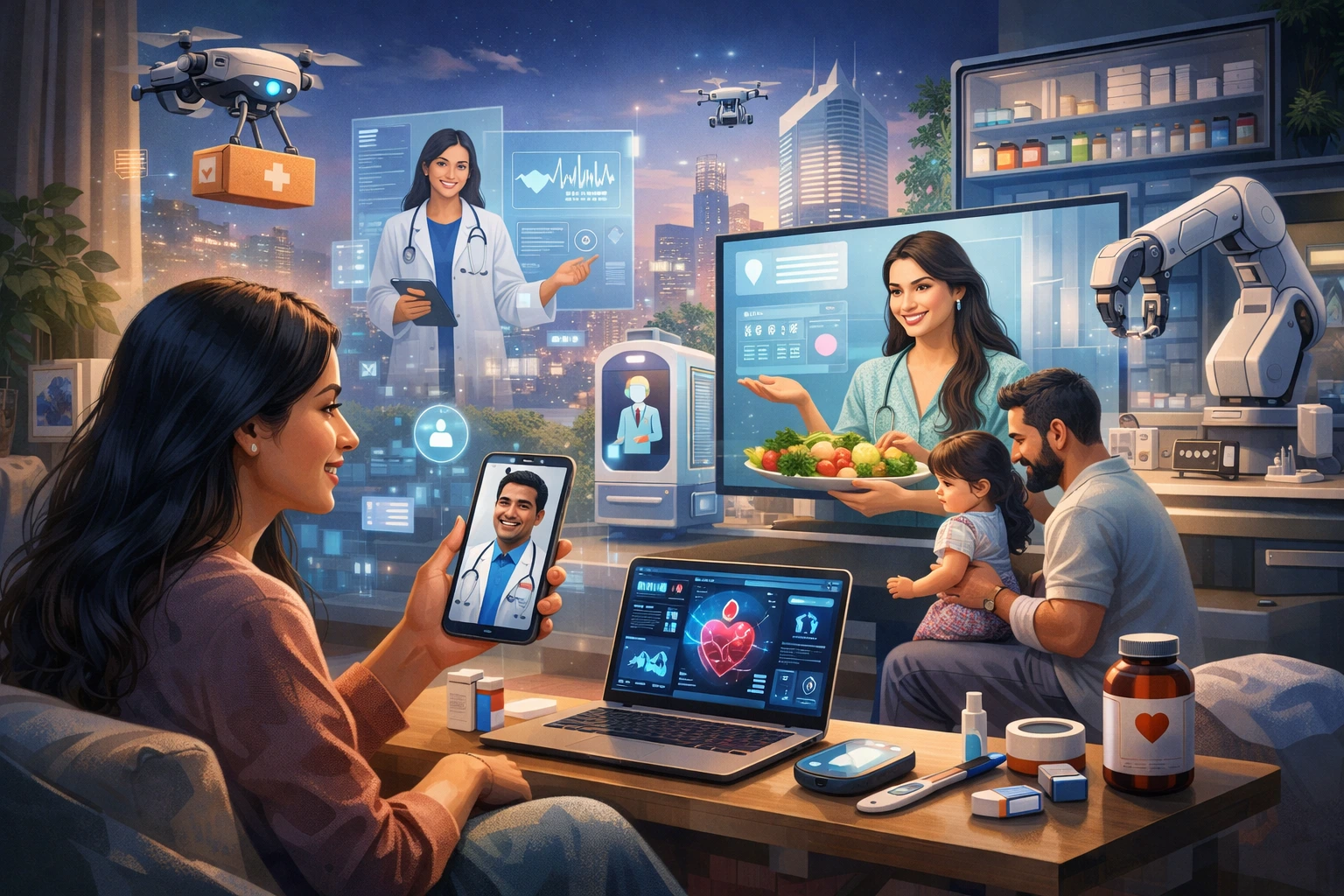
Online healthcare isn’t “new” anymore in 2026—it’s normal. For a growing number of people, the first step isn’t a clinic visit. It’s opening an app, searching symptoms, checking doctor availability, reading reviews, and choosing whether to consult online now or book an in-clinic appointment later.
This shift isn’t only about convenience. It’s changing how everyday health decisions are made: what people consider urgent, how they choose doctors, how they follow treatment plans, and how they manage health records over time. Platforms like Practo Health Decision are a big reason this behavior has become mainstream—by turning healthcare access into a structured, repeatable flow.
Online Care Became the First Step, Not the Backup
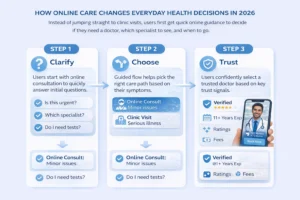
People start with clarity, not commitment
Users want direction before they decide on a clinic visit
In 2026, many users don’t immediately want a hospital trip. They want answers to questions like:
- Is this urgent or manageable at home?
- Which specialist should I see if it continues?
- What should I do right now?
- Do I need tests, or can a doctor guide me first?
Online consultation fits this need because it lowers the effort required to take the first step.
Healthcare decisions are now made in minutes
Faster access changes patient behavior
When advice is available quickly, people are more likely to act early—before symptoms worsen. That’s a major shift from “wait a day and see” to “check now, decide smartly.”
Everyday Decisions Practo Influences in 2026
Should I see a doctor today
Availability and speed shape urgency perception
When a user can get a consultation quickly, they’re more likely to seek early guidance. That changes daily choices for common issues like seasonal illness, stomach discomfort, skin irritation, sleep problems, or stress-related symptoms.
Online consult or clinic appointment
The decision is now a guided choice
In 2026, users increasingly choose:
- Online for quick guidance, minor symptoms, and follow-ups
- In-clinic when physical examination, vitals, tests, or procedures are likely
Practo-style flows help users decide without guesswork by showing availability, specialization, location, and scheduling options.
Which doctor should I trust
Trust is built through signals, not only word-of-mouth
Instead of asking friends first, many users now scan verified credentials, years of experience, patient feedback, fee transparency, and clinic details—then book confidently.
The Big 2026 Trend: The Symptom-First Journey
Users think in symptoms, not departments
“Skin rash” comes before “Dermatologist”
People don’t always know what specialty they need. They start with a concern. Apps normalize this behavior by making doctor discovery and booking feel straightforward—even when the user is unsure.
Better journeys reduce decision fatigue
The experience matters as much as the medical advice
When the app organizes the process—search, compare, consult, next steps—users feel more confident. That confidence influences how frequently they seek care and whether they follow through.
Why Online Consultations Feel Standard Now
It’s not only about video calls
The best experiences feel like a complete care flow
By 2026, users expect more than a quick chat. Strong online care experiences typically include pre-consult intake forms, report uploads, clear summaries, easy follow-ups, and digital prescriptions where legally permitted.
Follow-ups became the default online use case
Convenience and continuity go together
People love follow-ups online because the context is already known, effort is low, and progress can be monitored over time.
How Practo Shapes Trust in 2026
Verified profiles and structured information
Users don’t want to gamble with healthcare choices
Trust improves when users can see qualifications, specialization, clinic info, consultation fees, and realistic appointment expectations.
Reviews influence decisions differently now
People read for patterns, not perfection
Users often look for communication quality, reliability, clarity, and outcomes—rather than only star ratings.
Privacy expectations are higher
Online care is normal only if it feels safe
Secure communication, discreet data handling, and visible privacy standards influence whether users choose online care—especially for sensitive concerns.
The New Normal: Switching Between Online and Offline
Hybrid is how most people actually use healthcare now
Users want flexibility without repeating themselves
A common flow is online consult for early guidance, then clinic/labs if needed, then online follow-up for results and adjustments.
Continuity is the biggest expectation
Users want their medical story in one place
Digital prescriptions, stored reports, follow-up reminders, and a consistent patient timeline are now expected.
What This Means for Clinics and Doctors
Clinics compete on experience, not only expertise
Waiting time and communication decide repeat visits
Apps increase transparency, which pushes clinics to improve punctuality, clarity, and patient experience.
Doctors who explain well win loyalty
Clarity is a retention feature
Patients stay with doctors who provide structured guidance, practical next steps, and an easy follow-up path.
What This Means for Healthcare Platforms in 2026
Design for decisions, not just bookings
The app must help people choose the right next step
Winning platforms guide users toward the right specialty, urgency level, consultation mode, and follow-up plan.
Speed and trust must coexist
Fast access without credibility doesn’t last
Platforms that win in 2026 balance quick availability, verified trust signals, consistent clinical workflows, and strong support.
Conclusion
Online care is normal in 2026 because it fits how people live: they want quick clarity, flexible choices, and continuity without friction. Practo influences everyday decisions by making it easy to compare doctors, choose online vs in-clinic, act earlier on symptoms, and follow through with a clear plan. The real shift is behavioral: healthcare is becoming a guided journey instead of a stressful guessing game.
Before closing, it’s also important to note that Colsent is an app development company that can build Practo-type healthcare apps—including doctor discovery, appointment booking, online consultation, secure health records, payments, lab integrations, and follow-up workflows—aligned with how users make daily health decisions in 2026. If you’re planning to launch a similar platform, Talk to Colsent’s Healthcare App Experts to map features and compliance needs, or Schedule a Free Discovery Call to discuss your timeline, budget, and go-to-market plan.
FAQs
1) Why is online care considered normal in 2026
Because it’s fast, convenient, and structured—users can get guidance early and decide next steps without travel and long waits.
2) Do people still prefer in-clinic visits in 2026
Yes, especially when physical examination, tests, scans, or procedures are needed, or when symptoms are severe.
3) What do users typically use online consultations for
Early guidance, minor symptoms, second opinions, and follow-ups where a physical exam isn’t essential.
4) What makes users trust a doctor profile on apps
Verified credentials, specialization match, clear clinic details, consistent review patterns, and transparent fees/policies.
5) Are reviews still important in 2026
Yes, but users focus more on patterns like communication, punctuality, and clarity than just star ratings.
6) What is hybrid care in simple terms
Starting online when it saves time, going in-clinic when needed, then continuing online for follow-ups and results review.
7) What’s the biggest frustration with in-clinic appointments today
Unpredictable waiting time even after booking, plus unclear communication about delays.
8) What do users expect after an online consultation
A clear plan: summary, guidance, warning signs, recommended tests if needed, and a follow-up timeline.
9) How has online care changed everyday health behavior
People seek help earlier, compare options more, and follow structured next steps instead of delaying care.
10) What features matter most in a Practo-type app in 2026
Verified profiles, smart search, online and in-clinic booking, secure records, lab integrations, payments, and easy follow-ups.